
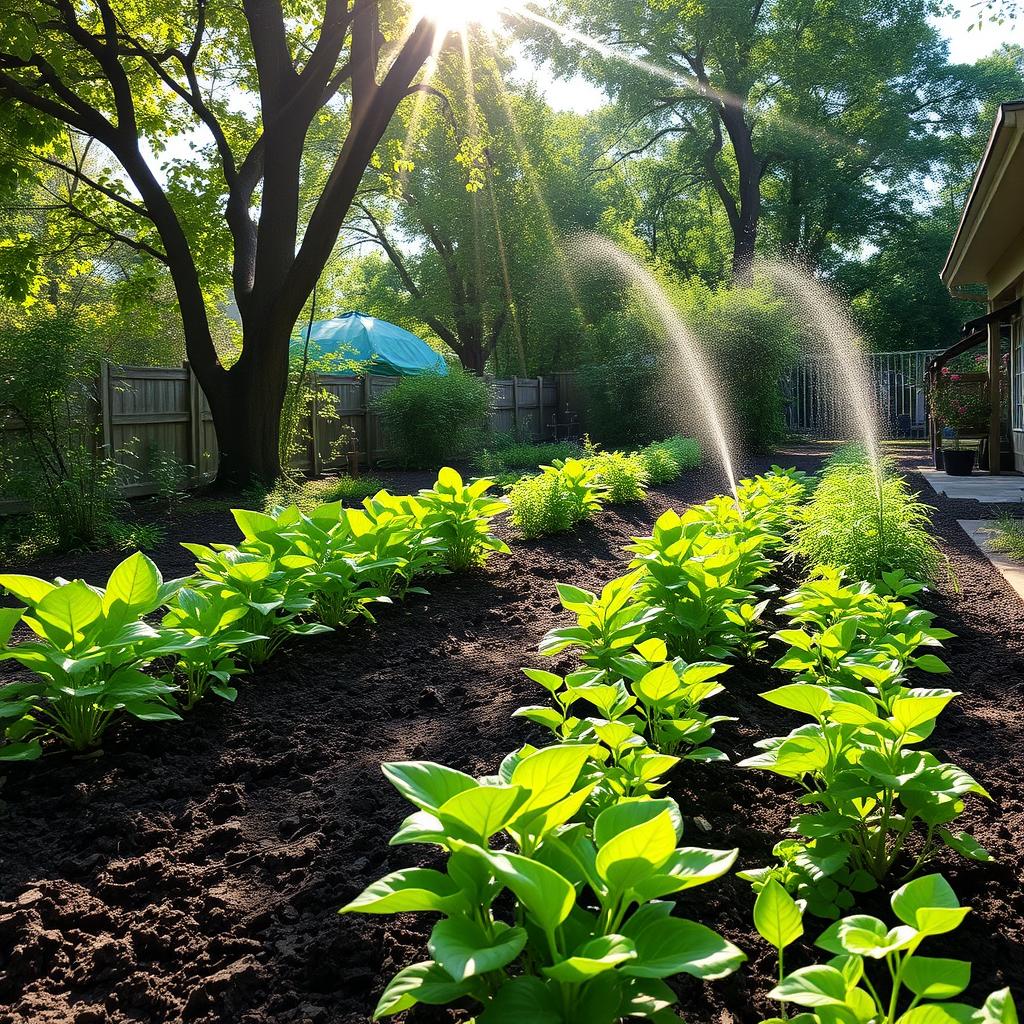
Have you ever wondered if your garden practices could align more closely with your plant based lifestyle? Or how the nutrients in your soil could unlock the full potential of your homegrown produce? Welcome to the world of veganic gardening a revolutionary approach that combines the principles of veganism with sustainable garden care. By avoiding animal derived products such as manure or bone meal, veganic gardening places the focus firmly on eco conscious practices, creating a thriving ecosystem that’s better for you and the planet.
At the core of any effective fitness routine is one key principle: the right fuel leads to better performance. Just as our bodies need balanced nutrition to function at their best, pre-workout supplements play a vital role in boosting energy, focus, and endurance. If you’re looking to power your workouts without relying on overly synthetic formulas, you might be wondering, “What are the clean alternatives?” This is where Bump Pre Workout comes in offering a powerful, ethical solution with plant-based ingredients, natural energy boosters, and innovative formulas designed to elevate your training without the crash.
Curious how switching to veganic nutrients can transform your gardening routine and diet? Read on as we explore how this approach fosters a deeper connection between the food you grow and the values you uphold.
What Are Veganic Nutrients?
- Plant Based Ingredients: Derived from food scraps, plant waste, or specially formulated products like RocketGro.
- Nutrient Cycling: Promotes better soil health by recycling essential nutrients in a sustainable way.
- Pesticide Free: Veganic gardening eliminates the need for synthetic pesticides, fostering a toxin free environment.
Examples of effective swim training tools include resistance bands, kickboards, and interval sets each designed to boost strength, technique, and endurance. These methods not only improve your performance but also help build a solid foundation for long-term progress in the water. Whether you’re perfecting your freestyle or training for open water races Sea Level Swim offers a smart, sustainable approach to reaching your swimming goals with confidence and control.
The Environmental Benefits of Veganic Gardening
Have you ever considered the ripple effects of traditional gardening practices on the environment? Chemical laden fertilizers and synthetic nutrients may get the job done, but they often lead to harmful consequences such as soil degradation and water pollution. Veganic gardening offers a fresh, eco friendly alternative that not only nurtures your plants but also protects the planet. By using nutrient rich, local resources, you can create a sustainable gardening system that minimizes chemical runoff and promotes healthier ecosystems.Veganic methods rely on creative nutrient cycling through everyday resources like composted food waste and human derived inputs like liquid fertilizer from diluted urine. These alternatives drastically reduce the reliance on synthetic chemicals while ensuring your soil stays fertile and vibrant for years to come. Plus, you’ll be creating a garden that actively combats pollution and reduces the carbon footprint associated with conventional practices. Isn’t that a win win for both your veggies and the environment?Here’s a breakdown of how veganic gardening compares to traditional methods in terms of environmental impact:
| Gardening Practice | Key Environmental Impact | Eco Friendly Features |
|---|---|---|
| Traditional Gardening | Chemical runoff into water systems | High usage of synthetic fertilizers |
| Veganic Gardening | Improves soil health through natural inputs | Uses local resources like compost and urine |
| Sustainable Gardening Practices | Reduced carbon footprint | Focus on nutrient cycling and biodiversity |
By embracing veganic gardening practices, you’re not just growing wholesome food you’re championing a movement that prioritizes environmental sustainability. So, why not consider swapping out synthetic fertilizers for innovative, plant friendly nutrients from your own backyard?
Health Benefits for Plants and Gardeners
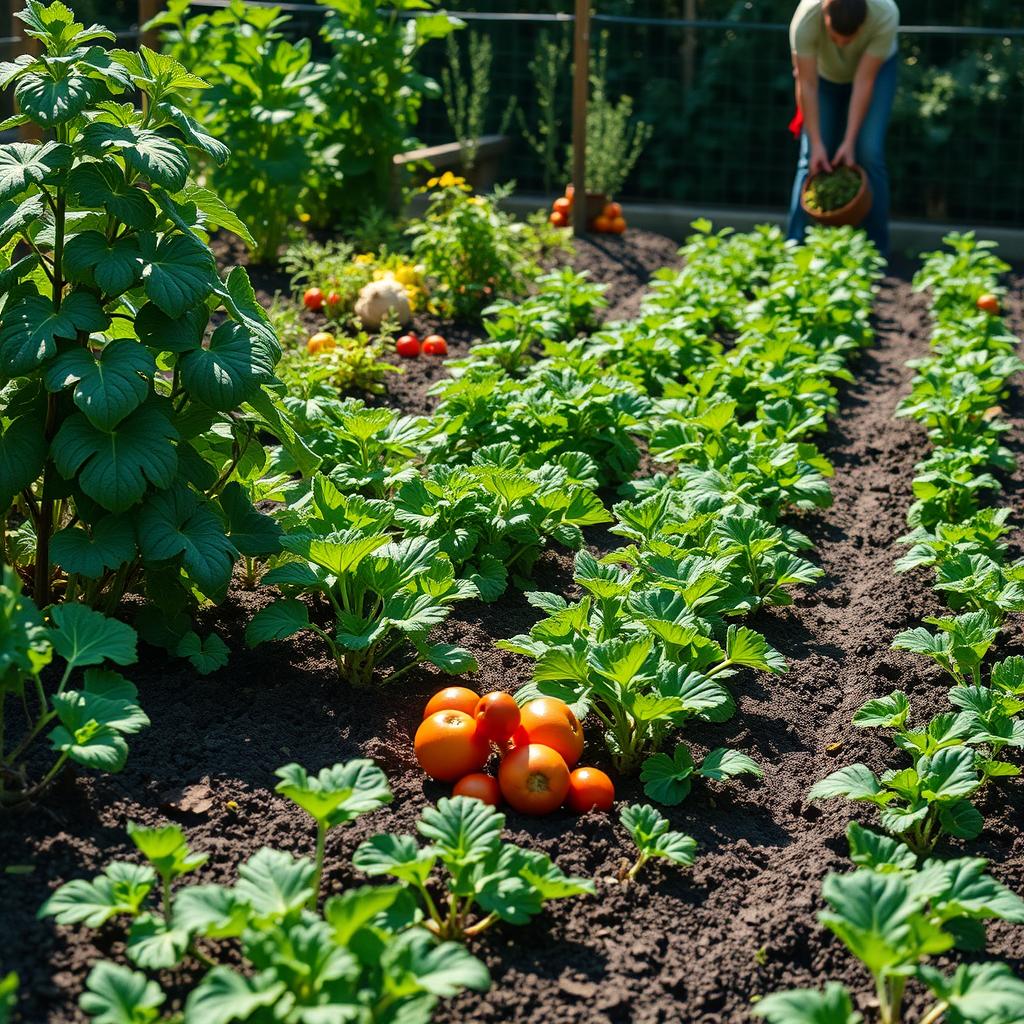
Here’s why veganic gardening is a game changer:
- Enhanced Soil Health: Using composted food waste, flour, or even human urine enriches soil with essential nutrients, promoting robust plant growth without relying on artificial or animal based fertilizers.
- Nutrient Rich Produce: Homegrown fruits and vegetables that are free from synthetic pesticides and fertilizers offer higher levels of antioxidants, vitamins, and minerals. Imagine biting into a sun ripened tomato, knowing it’s packed with pure, wholesome nutrition.
- A Healthier You: Gardening with veganic nutrients not only supports physical health through an antioxidant rich diet but also fosters mental well being. The simple act of tending to your plants can reduce stress and help you feel connected to nature.
By incorporating these sustainable practices, you’re not just cultivating nutrient rich, pesticide free produce you’re nurturing your own health while helping the planet thrive. So, what’s stopping you from turning your backyard into a haven of health and goodness?
Easy Ways to Implement Veganic Nutrients
- Flour: Unused or old flour can be sprinkled directly around plants. It acts as a carbon rich additive that encourages decomposition and soil enrichment.
- Human Urine: Containing nitrogen, phosphorus, and potassium, diluted urine (mix one part urine with ten parts water) is a surprisingly effective fertilizing solution for garden beds.
Lastly, if you’re short on time or composting feels overwhelming, consider vegan friendly commercial products like RocketGro. These fertilizers, specifically designed for veganic gardening, offer convenience without compromising your ethical or environmental goals.No matter your choice, implementing veganic nutrients not only supports plant health but also aligns your garden practices with a more sustainable and eco conscious lifestyle.
Overcoming Challenges in Veganic Gardening
Veganic gardening is an inspiring way to nurture your soil while staying aligned with your values. But without relying on synthetic fertilizers, how can you make sure your plants receive all the essential nutrients? The answer lies in using veganic nutrients plant based, cruelty free solutions that support healthy, sustainable growth. Let’s explore effective strategies to boost your garden’s vitality with these innovative and eco-friendly practices.
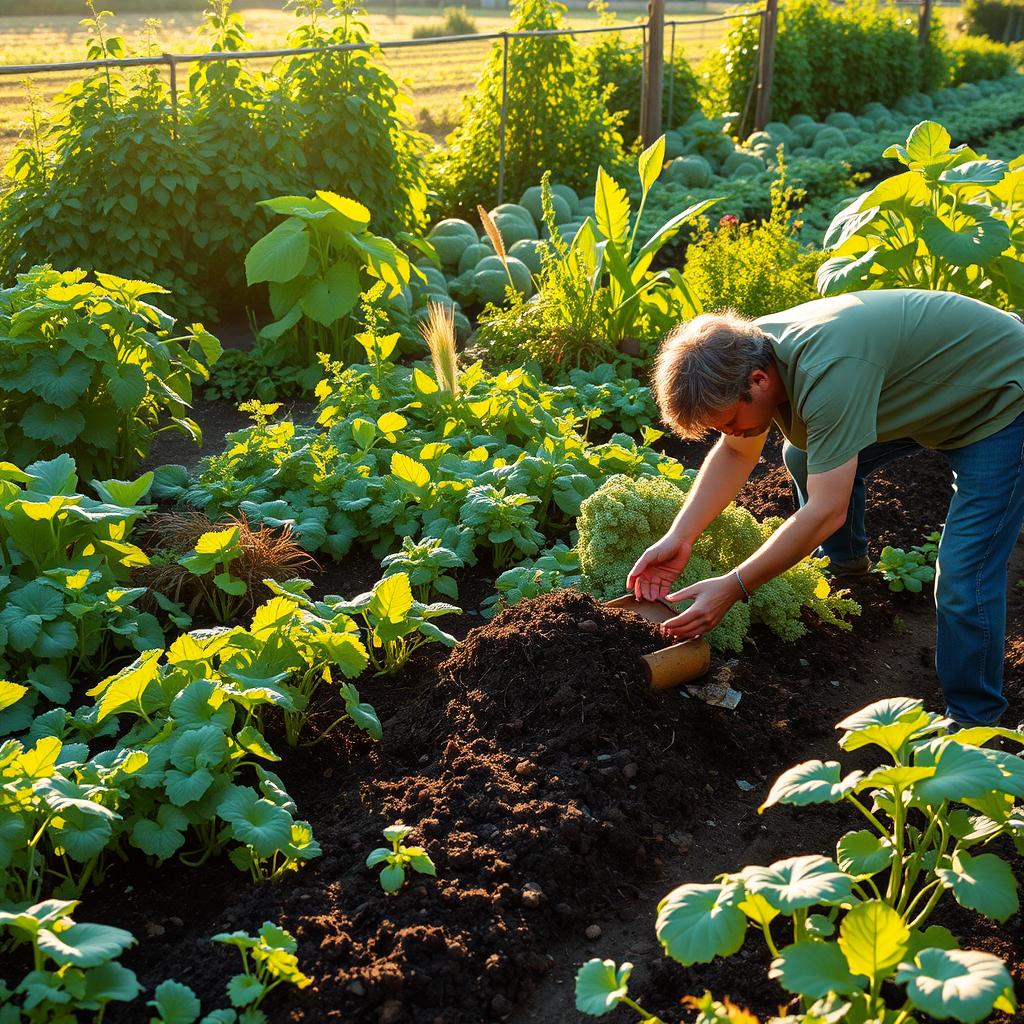
Every thriving garden needs nitrogen (N), phosphorus (P), and potassium (K). Without synthetic solutions, achieving this balance may seem daunting, but veganic options are plentiful:
- Composted Food Waste: A rich, nutrient packed option to boost nitrogen and organic matter in the soil.
- Human Urine: Surprisingly effective for increasing nitrogen levels, though it must be diluted to avoid overwhelming plants.
- Flour or Grain Based Additives: High in carbohydrates, these ingredients nurture microbes that help release essential nutrients.
Harnessing Plant Diversity for Soil Health
Did you know that an assorted mix of plants can elevate your garden’s vitality? Companion planting pairing crops that complement each other encourages nutrient exchange and repels pests naturally. For example:
- Legumes like beans and peas enrich the soil with nitrogen.
- Deep rooted plants such as carrots or radishes break up compact soil and improve aeration.
- Flowering plants attract pollinators, creating a balanced ecosystem.
By embracing veganic methods and fostering plant diversity, you not only overcome nutritional gaps but transform your garden into a thriving, sustainable haven.

Hardik is the visionary founder and driving force behind Leanry.com, a platform committed to empowering individuals through reliable health information, wellness tips, and actionable content for a healthier lifestyle.