
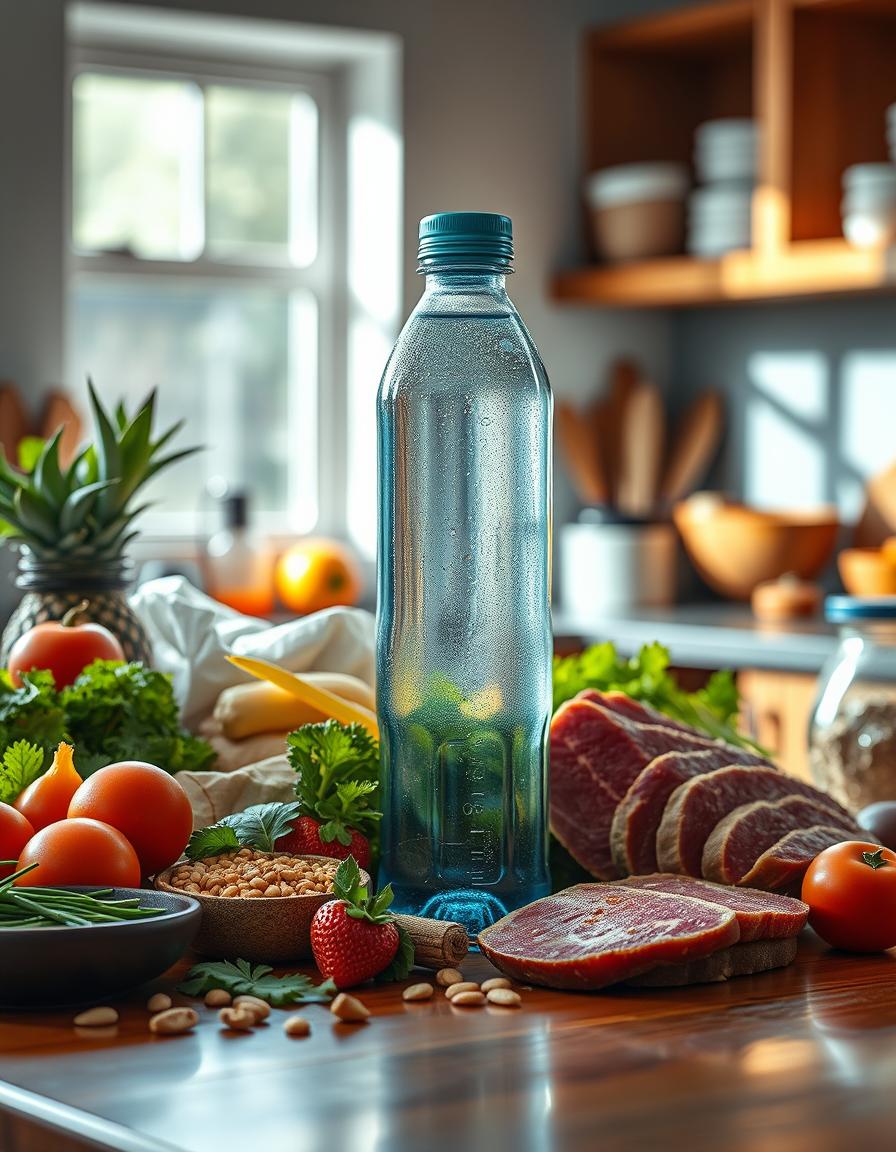
Building a lean, muscular body takes more than just lifting weights and hitting the gym regularly. Nutrition plays a key role in shaping your physique, helping you burn fat while preserving muscle. If you’ve ever wondered how to fuel your body effectively for lean bodybuilding, you’re in the right place. By following smart nutrition tips for lean bodybuilding, you can boost your progress, feel energized, and look great.
Understanding Lean Bodybuilding
Lean bodybuilding focuses on building muscle without gaining excess fat. Unlike traditional bulking, which can lead to unwanted fat gain, lean bodybuilding emphasizes a clean approach to nutrition and training. The goal is sharp muscle definition and a toned appearance. To do this, you need to balance your calorie intake carefully, eat the right foods, and time your meals to support muscle growth and fat loss.
Key Nutrition Tips for Lean Bodybuilding
1. Calculate Your Calorie Needs
Before changing your diet, it’s important to know how many calories your body needs each day. Eating too many could cause fat gain, while eating too few might slow muscle growth. Use an online calculator to estimate your maintenance calories, then adjust your intake depending on your goals—usually around 10-20% fewer calories to cut fat while preserving muscle.
2. Prioritize Protein
Protein is like the building block for your muscles. When you work out, tiny tears form in your muscle fibers, and protein helps repair and grow them stronger. Aim for about 1.0 to 1.5 grams of protein per pound of body weight daily. Good sources include chicken breast, fish, lean beef, eggs, and plant-based options like beans and tofu.
| Protein Source | Protein per 100g | Calories per 100g |
|---|---|---|
| Chicken Breast (cooked) | 31g | 165 |
| Salmon (cooked) | 25g | 206 |
| Eggs | 13g (2 eggs) | 140 |
| Tofu (firm) | 8g | 70 |
3. Don’t Fear Healthy Fats
Fats often get a bad rap, but they’re essential for hormone production, brain health, and overall energy. Choose sources like avocados, nuts, olive oil, and fatty fish. Keep fats moderate—around 20-30% of your total calories—to help with absorption of vitamins and to keep you feeling full.
4. Carbs Are Your Workout Fuel
Carbohydrates give you the energy to crush workouts and recover afterward. Focus on complex carbs such as oats, brown rice, sweet potatoes, and whole-grain bread. These carbs release energy slowly, preventing spikes and crashes. Timing carbs around your training sessions can improve your performance and muscle recovery.
Meal Timing and Frequency
When to eat can be as important as what you eat. Eating every 3-4 hours helps keep your metabolism running and muscles fed. Including protein in each meal supports muscle repair throughout the day.
- Pre-Workout: Eat a balanced meal with carbs and protein 1-2 hours before training.
- Post-Workout: Consume protein and carbs within 30-60 minutes after exercise to maximize muscle recovery.
- Before Bed: A small protein-rich snack, like cottage cheese or Greek yogurt, can reduce muscle breakdown overnight.
Hydration Matters
Water is often overlooked but plays a significant role in muscle function and fat loss. Staying hydrated improves your strength and endurance during workouts. Aim for at least 3 liters per day, more if you sweat a lot. Remember, sometimes thirst is masked as hunger, so drink regularly throughout the day.
Smart Supplement Choices
Supplements aren’t magic, but they can help fill nutritional gaps. Whey protein is a popular option to meet protein needs quickly. Creatine can boost strength and muscle gains, while branched-chain amino acids (BCAAs) might reduce muscle soreness after intense sessions. Always research and choose reputable brands.
Planning Balanced Meals Made Easy
One of the easiest ways to make lean bodybuilding nutrition sustainable is by planning balanced meals. Here’s a simple plate breakdown to aim for:
| Food Group | Portion | Examples |
|---|---|---|
| Protein | 1/3 of the plate | Grilled chicken, fish, tofu, eggs |
| Complex Carbs | 1/3 of the plate | Brown rice, quinoa, sweet potatoes |
| Vegetables | 1/3 of the plate | Broccoli, spinach, carrots, peppers |
Occasionally, having convenient, nutritious meals can be a lifesaver. For example, Lean Cuisine Balance offers some tasty, portion-controlled bowls that fit perfectly into a lean bodybuilding plan. If you want quick meals without compromising your goals, check out Lean Cuisine Balance.
Common Mistakes to Avoid
- Skipping Meals: Starving yourself can make your body hold onto fat instead of burning it.
- Ignoring Micronutrients: Vitamins and minerals may be small, but they’re mighty for muscle function and energy.
- Relying Only on Supplements: Whole foods should always come first.
- Overeating “Healthy” Foods: Even nuts and oils add calories quickly if you’re not careful.
Tracking Progress with Flexibility
Staying flexible is a big part of making nutrition work long-term. Track your progress by noting changes in strength, body measurements, and how you feel rather than obsessing over the scale. Adjust your calorie intake or macros as you go along. Remember, the body isn’t a machine—it’s normal to have ups and downs.
Conclusion
Success in lean bodybuilding depends heavily on smart eating choices that fuel muscle growth while trimming fat. By keeping protein high, choosing complex carbs and healthy fats, staying hydrated, and timing your meals, you set yourself up for the best possible results. Avoid common pitfalls like skipping meals or relying solely on supplements. Remember, this is a journey where patience, consistency, and a little humor go a long way. With these nutrition tips for lean bodybuilding, you’re ready to build a strong and lean physique that turns heads in a healthy way.

Hardik is the visionary founder and driving force behind Leanry.com, a platform committed to empowering individuals through reliable health information, wellness tips, and actionable content for a healthier lifestyle.