
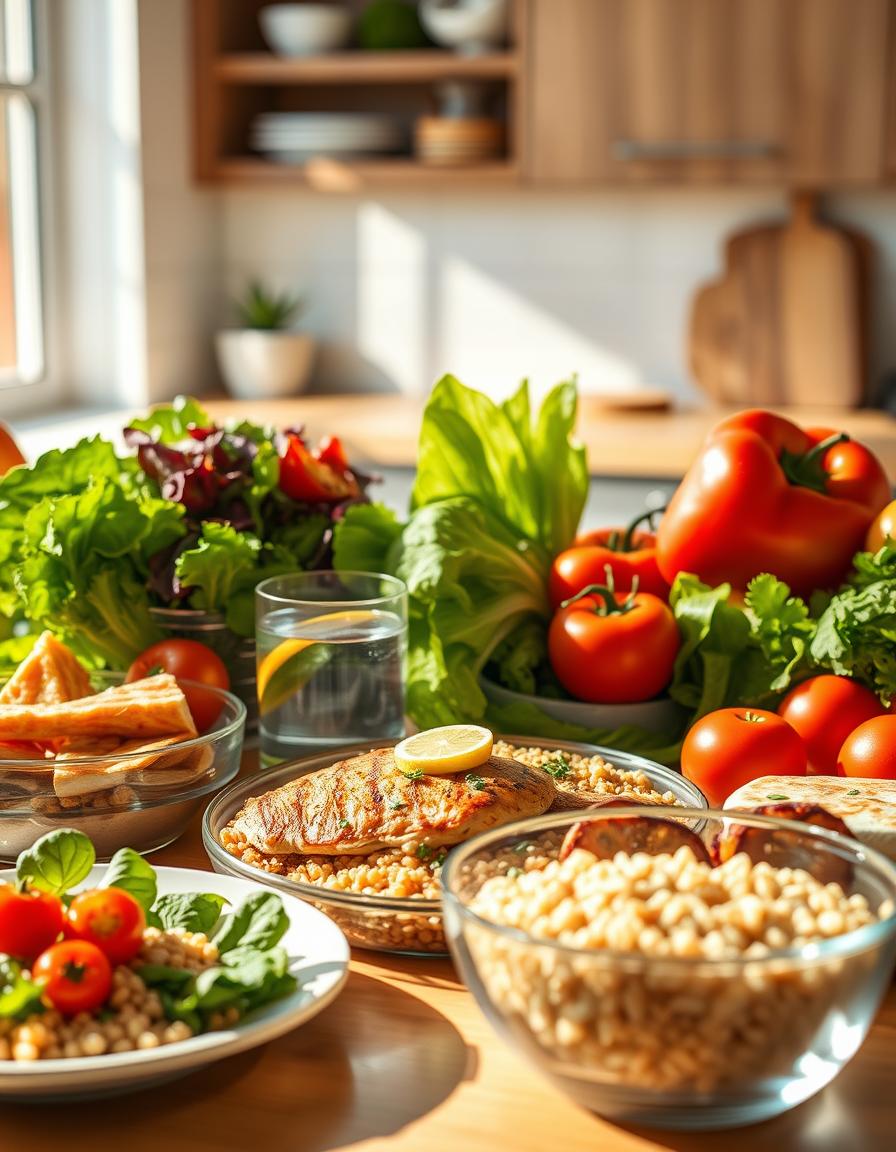
Eating well is a powerful way to boost your chances of living a long, healthy life. Lean eating habits for long life focus on choosing nutrient-rich foods that fuel your body without excess fats or sugars. By adopting simple, wholesome food choices, you can protect your heart, maintain a healthy weight, and keep your mind sharp as the years pass by. Let’s explore the habits that can make a real difference in your journey to wellness.
What Are Lean Eating Habits?
Lean eating habits revolve around consuming foods that are naturally low in unhealthy fats and calories but high in vitamins, minerals, and other nutrients. This approach emphasizes fresh vegetables, fruits, whole grains, and lean proteins like fish and beans. It’s about choosing quality over quantity and fueling your body with foods that give more benefits than drawbacks.
Think of your body as a car. You wouldn’t put low-grade fuel in it and expect it to run smoothly for years, right? The same concept applies to what you eat. Good fuel helps your body perform well and avoid breakdowns like chronic diseases.
Key Principles of Lean Eating Habits for Long Life
1. Focus on Plant-Based Foods
Filling most of your plate with vegetables, fruits, legumes, and whole grains is a fantastic lean eating habit. These foods are packed with fiber, antioxidants, and beneficial compounds that help reduce inflammation and protect cells from damage. Plus, they typically have fewer calories, which helps keep your weight in check.
- Fiber: Helps control blood sugar and lower cholesterol.
- Antioxidants: Protect your body from harmful molecules.
- Vitamins and minerals: Support overall body functions.
2. Choose Lean Proteins
Protein is essential for muscle repair and immune function. In lean eating habits for long life, it’s wise to pick proteins with lower saturated fat. Think grilled chicken breast, turkey, fish, legumes, and tofu instead of fatty red meats or fried options. Fish rich in omega-3 fatty acids like salmon or mackerel also boost heart health.
3. Limit Processed and Sugary Foods
Highly processed snacks, sugary drinks, and fast food often contain unhealthy fats, added sugars, and excess salt. These can contribute to weight gain, heart disease, and diabetes. Swapping these for whole foods reduces risk and improves overall energy levels.
Meal Planning with Lean Eating Habits
Creating meals that follow lean eating habits doesn’t have to be complicated. Keep it simple and colorful. Here’s a small table outlining a day’s worth of lean meals:
| Meal | Example | Benefits |
|---|---|---|
| Breakfast | Oatmeal topped with fresh berries and a handful of nuts | Rich in fiber, antioxidants, and healthy fats |
| Lunch | Grilled chicken salad with mixed greens, cherry tomatoes, and olive oil dressing | Lean protein with plenty of vitamins and heart-healthy fats |
| Dinner | Baked salmon with quinoa and steamed broccoli | Omega-3 fats, complete protein, and fiber |
| Snack | Carrot sticks with hummus | Low calorie, nutrient-dense, and satisfying |
Benefits of Lean Eating Habits for Long Life
Choosing lean foods consistently helps your body in numerous ways that add up over time:
- Improved Heart Health: Reducing saturated fat and increasing fiber lowers cholesterol and blood pressure.
- Weight Control: Lean foods are filling yet lower in calories, helping keep a healthy weight without feeling deprived.
- Better Digestion: High-fiber diets promote good gut health and prevent constipation.
- Stronger Immunity: Nutrient-rich foods boost your body’s ability to fight illness.
- Sharper Brain Function: Essential fats and antioxidants protect your brain from age-related decline.
Tips to Make Lean Eating Easy and Enjoyable
Start Small and Build Up
Changing eating habits feels like turning a big ship around—it doesn’t happen overnight! Begin by adding one extra serving of vegetables to your meals or swapping soda for water. Little wins build confidence and momentum.
Make Meals Colorful and Fun
No one wants a boring plate. Mix in different colored veggies and fruits—they taste good and brighten your mood. Try roasted sweet potatoes, purple cabbage slaw, or fresh mango salsa.
Cook at Home More Often
Home-cooked meals usually have fewer hidden sugars, salts, and fats. Plus, cooking can be a relaxing, creative outlet. Invite friends or family to join and make it a fun social event.
Keep Healthy Snacks Handy
When you feel hunger between meals, reach for options like nuts, fresh fruit, or yogurt instead of chips or candy bars. This helps maintain energy and prevent overeating later.
Physical Activity Works Hand-in-Hand
Adopting lean eating habits for long life is only part of the story. Regular physical activity boosts your metabolism, strengthens muscles, and helps your heart. Finding a local gym or fitness community can keep motivation high. If you’re around Jersey City, check out this local favorite fitness spot that makes staying active enjoyable and social.
Common Myths About Eating for Longevity
Sometimes, well-meaning advice clouds the truth about healthy eating. Here are some common myths busted:
- Myth: You must give up all fats to be healthy.
Truth: Healthy fats like those in avocados, nuts, and olive oil are essential for your body. - Myth: Skipping meals helps you lose weight.
Truth: Skipping meals can slow your metabolism, making it harder to maintain a healthy weight. - Myth: Carbs are bad for longevity.
Truth: Whole grains and fiber-rich carbs are important for heart and brain health.
Conclusion
Adopting lean eating habits for long life is a smart choice that pays off in the years ahead. Focus on fresh, wholesome foods that nourish your body and mind. Remember, consistency beats perfection—small changes done regularly lead to lasting results. Pair these habits with physical activity and positive lifestyle choices, and you’re giving yourself the best chance at a vibrant, joyful life. So, feed your body well, move often, and enjoy every step of the journey!

Hardik is the visionary founder and driving force behind Leanry.com, a platform committed to empowering individuals through reliable health information, wellness tips, and actionable content for a healthier lifestyle.