
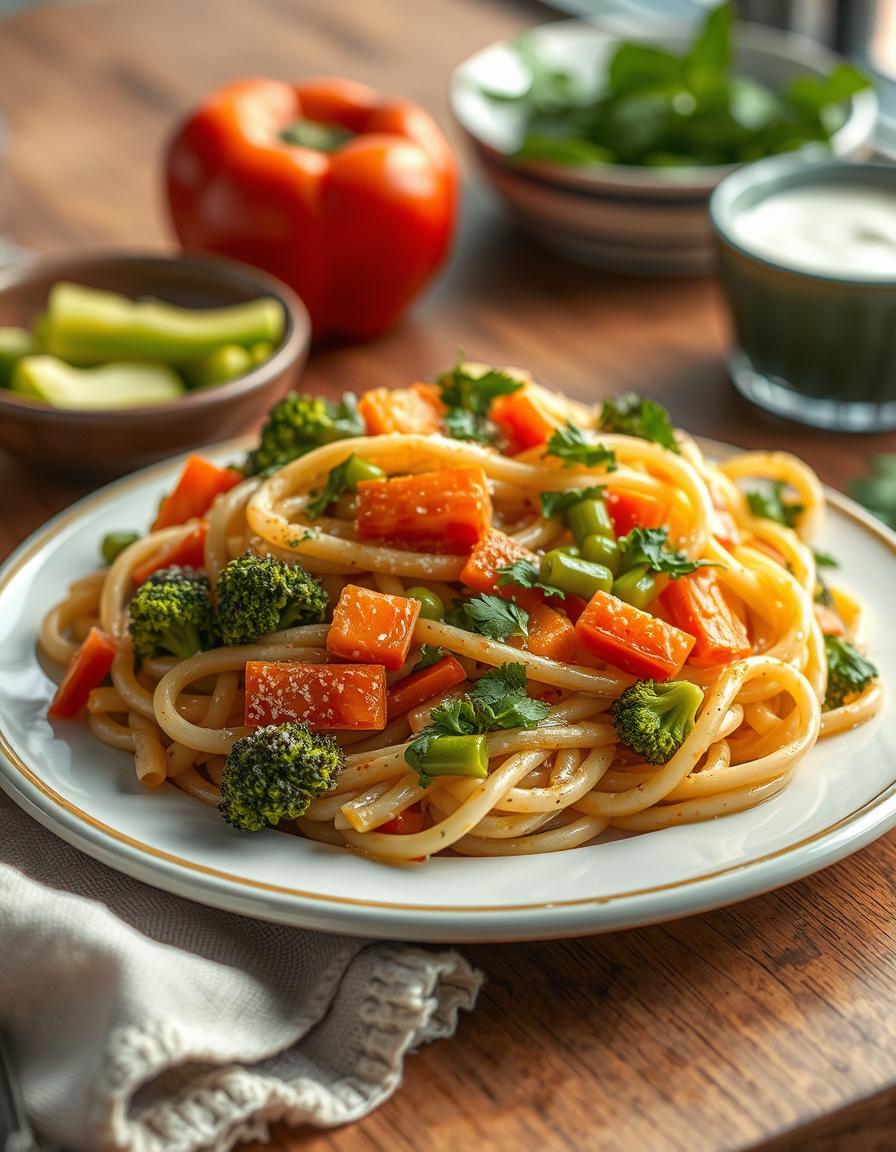
When it comes to quick and easy meals, Lean Cuisine has been a go-to brand for many looking to balance convenience and nutrition. One popular option is the Pasta Primavera, which promises a tasty blend of pasta and vegetables without the guilt. But what exactly does lean cuisine pasta primavera nutrition look like? Is it a healthy choice for lunch, dinner, or a quick snack? Let’s take a closer look at the nutritional profile, ingredients, and overall benefits of this frozen meal to help you decide if it fits your lifestyle.
What Is Lean Cuisine Pasta Primavera?
Lean Cuisine Pasta Primavera is a frozen entree that features pasta combined with a variety of vegetables in a light sauce. It’s marketed as a healthier alternative to traditional pasta dishes, often packed with heavy creams and cheeses. This version aims to offer a satisfying meal with fewer calories and balanced nutrients to keep hunger at bay without piling on extra fat.
Unlike a homemade pasta primavera, which you might cook with fresh ingredients and your unique touch, this ready-made meal is convenient for busy days. Its blend of veggies typically includes peas, carrots, zucchini, and spinach, giving you a decent dose of fiber and vitamins without extra hassle.
Breaking Down Lean Cuisine Pasta Primavera Nutrition
Understanding the nutrition facts can help you decide if this meal aligns with your health goals. Here’s a detailed look at the key nutritional elements of Lean Cuisine Pasta Primavera:
| Nutrient | Amount (per serving) | % Daily Value* |
|---|---|---|
| Calories | 280 | 14% |
| Total Fat | 7g | 9% |
| Saturated Fat | 2.5g | 13% |
| Cholesterol | 25mg | 8% |
| Sodium | 460mg | 20% |
| Total Carbohydrates | 44g | 16% |
| Dietary Fiber | 5g | 18% |
| Sugars | 6g | — |
| Protein | 9g | 18% |
*Percent Daily Values are based on a 2,000 calorie diet.
Calories and Fat Content
With 280 calories per serving, Lean Cuisine Pasta Primavera offers a moderate calorie count that fits well within a balanced meal plan. The total fat is 7 grams, which includes 2.5 grams of saturated fat. This amount is pretty reasonable, especially compared to some restaurant pasta dishes that can be loaded with butter or cream. Still, if you’re watching your fat intake closely, keeping an eye on saturated fats is essential to heart health.
Carbohydrates and Fiber
Carbs are a significant part of this meal, coming in at 44 grams. Since pasta is the main ingredient, that makes sense. Luckily, it also provides 5 grams of dietary fiber, which helps keep your digestion smooth and can make you feel fuller longer. Fiber is often missing in processed foods, so this is a nice bonus.
Protein and Sugars
Protein content is 9 grams per serving, which is decent for a frozen pasta meal. It helps repair muscles and keeps your energy stable. Sugars clock in at 6 grams, mostly coming from the vegetables rather than added sweeteners, so there’s no sneaky sugar overload here.
Sodium Levels
The sodium count is 460 milligrams, which might be on the higher side for some people, especially if you need to limit salt intake. For context, the American Heart Association recommends no more than 2,300 mg daily, so this single meal takes up about 20% of that. It’s something to be mindful of if you’re combining this with salty snacks or other meals throughout the day.
Ingredients to Note
The ingredient list for Lean Cuisine Pasta Primavera typically includes enriched pasta, a mix of vegetables like zucchini, carrots, peas, spinach, and tomato sauce, along with cheese and seasonings. Most of these are straightforward and familiar, but it’s always good practice to check the label for any additives or preservatives if you prefer clean eating options.
The vegetables provide vitamins A and C, along with some potassium and iron. The cheese adds flavor and a little extra protein but also contributes to the saturated fat and sodium counts.
Is Lean Cuisine Pasta Primavera a Healthy Choice?
When deciding if this meal suits your diet, think about balance. Lean Cuisine Pasta Primavera can be a good option for those looking to enjoy pasta within a controlled calorie range. Its vegetable content adds some nutrients and fiber, which is a step above many conventional frozen meals.
That said, the sodium levels are worth considering, especially if you eat other salty foods during the day. Pairing this meal with a fresh salad or steamed vegetables and drinking plenty of water can help moderate sodium’s effects.
Also, keep in mind that while it delivers decent protein, it may not fill you up for hours. Adding a side of lean protein or a handful of nuts could boost satiety and round out your meal.
Cooking Tips for Maximum Flavor and Nutrition
Heating a frozen meal might sound dull, but you can jazz it up easily. Stir in fresh herbs like basil or parsley, sprinkle some parmesan cheese, or add a dash of crushed red pepper flakes for a hint of spice. If you have time, toss in some sautéed mushrooms or grilled chicken to increase the protein content.
These little tweaks can make your frozen pasta primavera taste like you spent an hour crafting it, without all the effort. For a unique twist, try squeezing a bit of lemon over the top—it brightens the flavors and adds vitamin C.
Sea Level Swim and Staying Active
While nutrition plays a huge role in health, coupling meals like Lean Cuisine Pasta Primavera with regular physical activity creates an even better balance. For example, if you enjoy swimming as a form of exercise, learning about techniques can enhance your experience. You might want to check out Sea Level Swim for helpful tips and resources related to swimming workouts.
Summary Table: Pros and Cons of Lean Cuisine Pasta Primavera
| Pros | Cons |
|---|---|
| Moderate calorie count (280 calories) | Sodium is relatively high (460 mg) |
| Good source of fiber (5g) and veggies | Protein could be higher |
| Convenient and quick to prepare | Contains some saturated fat (2.5g) |
| Tasty and easy to customize | Nutrient variety limited to frozen meal ingredients |
Conclusion
Lean Cuisine Pasta Primavera offers a convenient, calorie-conscious meal option with the bonus of vegetables and fiber. Its lean cuisine pasta primavera nutrition facts reveal a balanced profile that suits busy individuals who want a decent meal without too many calories or excessive fat. However, the sodium content is something to watch, so pairing this meal with fresh, low-sodium sides or adding extra protein can help create a more filling and healthful experience.
At the end of the day, this frozen meal can fit nicely into a balanced diet if enjoyed occasionally and combined with healthy habits like staying hydrated and being active. Sometimes, it’s nice to have a quick weekday dinner that doesn’t sacrifice taste for convenience, and Lean Cuisine Pasta Primavera fits that bill pretty well.

Hardik is the visionary founder and driving force behind Leanry.com, a platform committed to empowering individuals through reliable health information, wellness tips, and actionable content for a healthier lifestyle.