
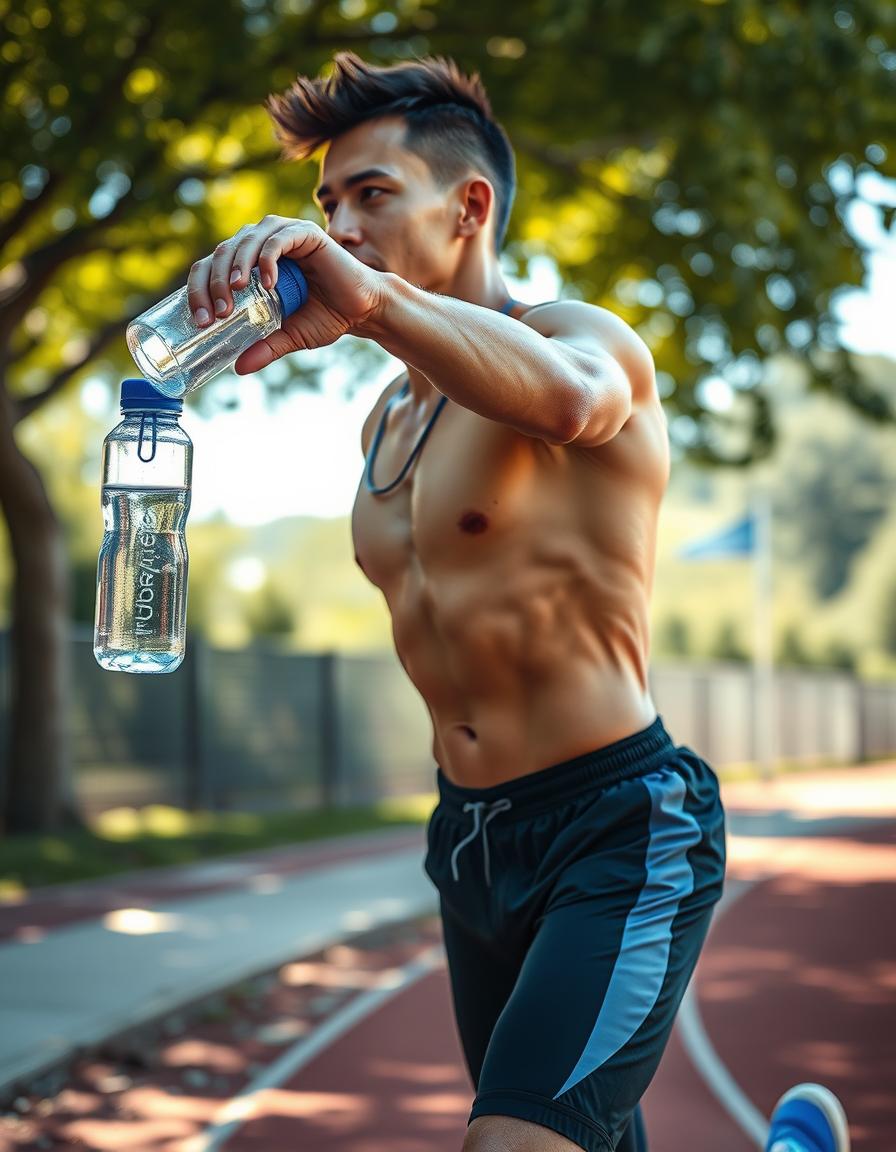
Staying hydrated is a crucial part of any athlete’s routine, but it’s easy to overdo it or miss the mark. Drinking water is important, sure—but knowing how, when, and what to drink can make a huge difference in performance and recovery. That’s where lean hydration tips for athletes come into play. These smart strategies help you get the most out of every sip without feeling weighed down or bloated. Whether you’re training for a marathon, hitting the gym, or preparing for a tough competition, smart hydration can keep you sharp and energized.
Understanding Hydration for Athletes
Water makes up about 60% of the human body, and keeping that balance steady is essential, especially in athletes. When you sweat during exercise, your body loses not only water but also electrolytes like sodium, potassium, and magnesium. These minerals help your muscles work properly and avoid cramps. Simply gulping down water won’t always cut it if you’re losing salt and other essentials.
Many athletes think they need to drink large amounts of water to stay hydrated, but drinking too much can lead to feeling heavy or even a condition called hyponatremia, where sodium levels in your blood get too low. That’s why adopting lean hydration tips for athletes can help you avoid overhydration and keep your body balanced.
How Much Should You Drink?
There’s no one-size-fits-all answer because hydration needs depend on your body size, workout intensity, climate, and more. But a good rule of thumb is to listen to your body and monitor signs of thirst, dryness, and urine color. Light yellow usually means you’re doing fine. Darker urine suggests you need more fluids.
If you want a quick way to estimate your sweat loss, try weighing yourself before and after a workout. Every pound lost roughly equals 16 ounces (about 500 ml) of fluid you need to replace.
Hydration Guidelines for Athletes
| Time | Recommended Intake |
|---|---|
| Pre-Exercise (2 hours before) | 500 ml (about 17 oz) of water |
| During Exercise (every 15-20 mins) | 150-200 ml (5-7 oz) of water or electrolyte drink |
| Post-Exercise | Replace 150% of fluid lost (based on sweat test) |
Lean Hydration Tips for Athletes
When it comes to lean hydration tips for athletes, the goal is to stay hydrated without overloading your system. Too much water can make you feel sluggish, while too little leads to cramps and fatigue. Here are some practical tips to strike the perfect balance.
1. Focus on Electrolytes, Not Just Water
Electrolytes like sodium, potassium, calcium, and magnesium are the MVPs during exercise. They keep muscles firing and nerves communicating. Instead of plain water alone, choose drinks that contain electrolytes. Coconut water, sports drinks with balanced minerals, or homemade mixes with a pinch of salt and a squeeze of lemon can be good options. Just watch sugar content—aim for low or moderate amounts.
2. Drink Small Amounts Frequently
Rather than chugging a large bottle of water in one go, sip small amounts often. This steady intake helps your body absorb fluids better and reduces the risk of bloating. It’s like giving your muscles a constant drip-feed of hydration instead of a wave that floods and then leaves you dry.
3. Use Thirst as a Guide, But Don’t Wait Too Long
Some athletes ignore thirst, thinking it signals weakness, but thirst is your body’s natural reminder to drink. However, waiting until you’re very thirsty can mean you’re already somewhat dehydrated. Try to drink fluids regularly during training and competition to stay ahead of the game.
4. Include Hydrating Foods in Your Diet
Many fruits and vegetables have high water content and serve double duty by providing nutrients. Watermelon, cucumbers, oranges, and strawberries are excellent choices. These can hydrate you while adding vitamins and antioxidants that help your muscles recover and your immune system stay strong.
Hydration Mistakes Athletes Often Make
Hydration isn’t just about gulping water. Here are some common missteps to avoid if you want to stay lean and ready:
- Overhydrating: Drinking too much water without electrolytes can dilute your blood salts.
- Ignoring Weather Conditions: Hot, humid climates make you sweat more and need extra fluids.
- Relying Solely on Thirst: Some athletes don’t drink until they’re dehydrated.
- Drinking Sugary Drinks Excessively: High sugar slows absorption and can cause stomach upset.
Timing Your Hydration for Optimal Performance
Drinking fluids evenly throughout the day and around your workouts helps. Avoid trying to chug large quantities right before you start because it can make you feel heavy or uncomfortable. Instead, hydrate steadily the day before, sip a bit during exercise, and focus on recovering afterward.
For long sessions, especially endurance training like a Half Ironman Training, having a hydration plan is essential. Consider electrolyte supplements or sports drinks that replace what you lose without adding unnecessary calories.
Feel free to check out this Half Ironman Training resource for ideas on combining smart hydration with endurance workouts.
Simple Hydration Tracker
Here’s an easy way to keep tabs on your fluid intake without feeling overwhelmed:
| Time | Fluid Goal (ml) | Notes |
|---|---|---|
| Morning (upon waking) | 300-400 | Kickstart metabolism and rehydrate from sleep |
| Pre-Workout (1-2 hours before) | 400-500 | Prepare muscles and blood flow |
| During Workout | 150-200 every 15-20 mins | Keep electrolytes balanced |
| Post-Workout (within 30 mins) | 500-600 | Replace lost fluids and aid recovery |
| Throughout the Day | 1500-2000 total | Adjust based on activity and weather |
Conclusion
Mastering hydration is more than just drinking water—it’s about balance, timing, and choosing the right fluids. Lean hydration tips for athletes make sure you stay fueled, avoid stomach issues, and keep performance sharp. Remember to listen to your body, include electrolytes, and hydrate steadily throughout your day.
By adopting these smart habits, you’ll feel lighter on your feet and stronger in your workouts, whether you’re training for a weekend run or taking on challenges like a Half Ironman Training. Keep sipping smart, and your body will thank you.

Hardik is the visionary founder and driving force behind Leanry.com, a platform committed to empowering individuals through reliable health information, wellness tips, and actionable content for a healthier lifestyle.