
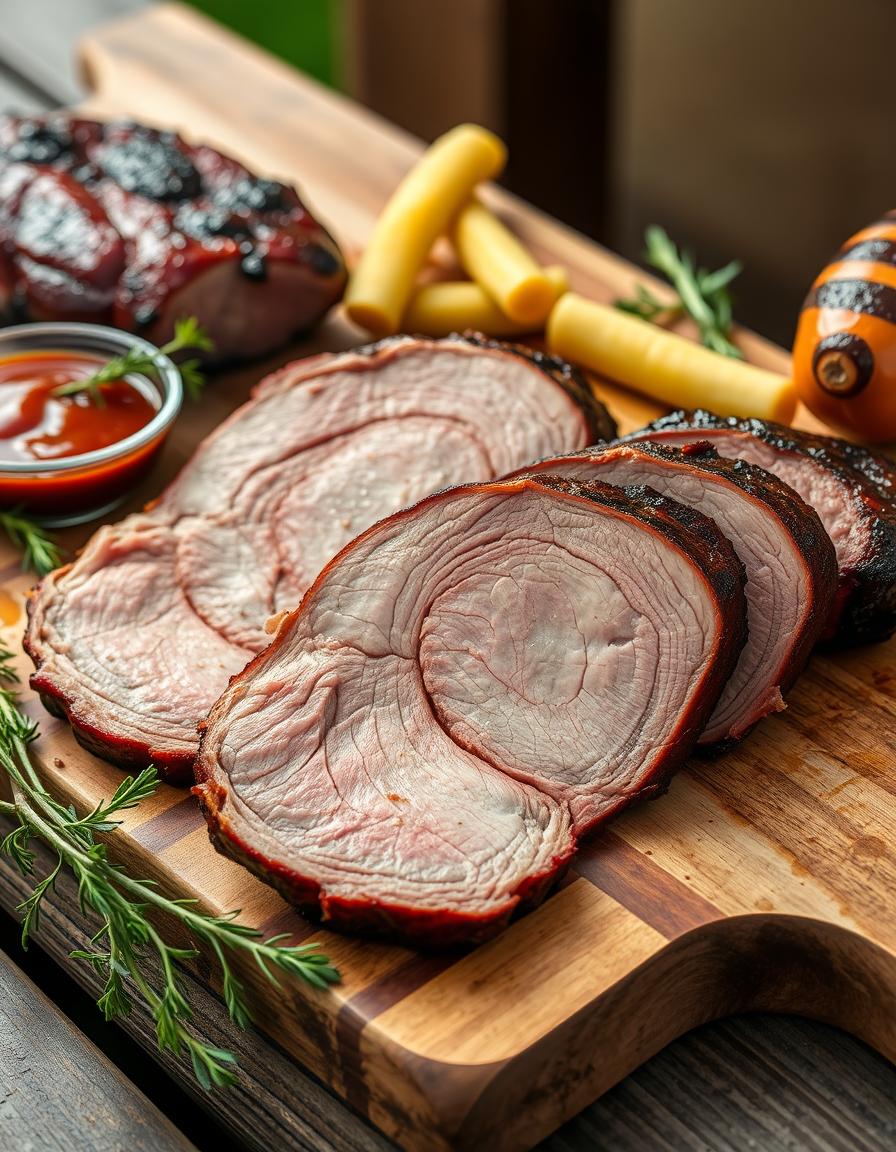
Brisket is a popular cut of beef that’s loved by many for its rich flavor and tender texture when cooked right. But if you’re watching your diet or wondering about its nutritional value, a common question pops up: is brisket lean meat or fatty? Understanding the fat content of brisket can help you make better choices in your meals, whether you’re grilling at a backyard cookout or preparing a slow-cooked feast.
What Is Brisket?
Brisket comes from the lower chest area of a cow, specifically the breast or lower chest muscles. This area gets a good amount of exercise, which means the meat can be quite tough if not cooked properly. But it also contains layers of fat that keep the meat juicy and flavorful during long cooking processes like smoking or braising.
Because brisket is often cooked slowly at low temperatures, the fat melts and helps tenderize the meat, making it a favorite among barbecue lovers. But does that mean brisket is fatty by nature? Let’s break it down.
Is Brisket Lean Meat or Fatty?
The straightforward answer is: brisket contains both lean and fatty parts. It’s not all lean muscle nor pure fat. It usually has a thick outer layer of fat known as the “fat cap,” as well as marbling (fat within the meat). This fat is what gives brisket its unique flavor and tenderness.
Breaking Down Brisket’s Fat Content
Brisket is made up of two main muscles:
- Flat Cut (or First Cut): This is the leaner portion with less fat, often used for lean slices.
- Point Cut (or Deckle): This part has more fat marbling and is generally fattier and more flavorful.
On average, a raw brisket can contain anywhere between 15% to 30% fat, depending on how much of the fat cap is trimmed before cooking. The flat cut usually has noticeably less fat compared to the point cut.
| Brisket Part | Fat Content (approximate) | Description |
|---|---|---|
| Flat Cut | 8-12% | Lean, less marbling, good for slicing |
| Point Cut | 20-30% | More fat, marbled, richer flavor |
How Fatty Is Brisket Compared to Other Meats?
If you’re curious about where brisket stands among other common meats:
- Chicken breast: Very lean, typically less than 5% fat.
- Pork shoulder: Quite fatty, similar to brisket’s point cut, around 20-30% fat.
- Sirloin steak: Leaner than brisket, roughly 8-15% fat.
So, is brisket lean meat or fatty? It depends on the cut and how it’s prepared. If you trim off the fat cap and avoid the point cut, you can enjoy brisket as a leaner option. If you stick with the point cut or leave the fat cap on, you’re in for a much fattier eating experience.
Health Implications of Eating Brisket
Fat in meat has both good and bad sides. On one hand, fat provides flavor and helps keep meat moist while cooking. On the other, too much saturated fat can impact heart health if eaten in excess over time.
Benefits of Brisket’s Fat Content
- Flavor enhancer: Fat carries flavor and adds juiciness.
- Energy source: Fat is a concentrated energy provider, helpful for those needing more calories.
- Fat-soluble vitamins: Some vitamins need fat to be absorbed properly.
When to Be Cautious
- If you have heart issues or high cholesterol, limiting fatty cuts like brisket’s point cut may be wise.
- Portion control helps you enjoy brisket without overdoing the fat.
- Removing the fat cap before or after cooking can reduce fat intake.
How to Cook Brisket for Healthier Eating
Cooking brisket doesn’t have to mean loading up on fat. Here are some tips to enjoy a tasty, leaner brisket meal:
Trim the Fat Cap
Before cooking, trim the thick outer fat layer to about ¼ inch or less. This keeps enough fat to maintain moisture but cuts down on excess grease.
Choose the Flat Cut
If you want a leaner brisket, look for the flat cut rather than the point. It has less marbling and fewer calories from fat.
Cook Slowly and Low
Slow cooking methods like smoking, braising, or slow roasting break down tough tissues and render fat gently. This helps you get tender meat without frying it in fat.
Drain Fat After Cooking
Once cooked, let the brisket rest and drain off any excess juices that contain fat. You can also skim fat from sauces or drippings before serving.
Is Brisket Lean Meat or Fatty? Final Thoughts
Brisket is a meat with both lean and fatty parts, making it a versatile choice depending on how you prepare it. The point cut is definitely fatty and rich, while the flat cut offers a leaner experience with less fat content. By trimming and cooking thoughtfully, you can enjoy brisket without overwhelming your meal with fat.
For those wanting a quick, lean comfort food option, check out this delicious Lean Cuisine Mac review. Sometimes, a little convenience with fewer calories is just what you need!
Conclusion
So, to answer the question clearly: Is brisket lean meat or fatty? It can be both. The fat content varies by cut and preparation method. Eating brisket with the right balance means you can enjoy its unique flavor without feeling weighed down by too much fat. Whether you’re a barbecue enthusiast or a health-conscious eater, understanding brisket’s fat content helps you make smarter choices at the dinner table.

Hardik is the visionary founder and driving force behind Leanry.com, a platform committed to empowering individuals through reliable health information, wellness tips, and actionable content for a healthier lifestyle.