
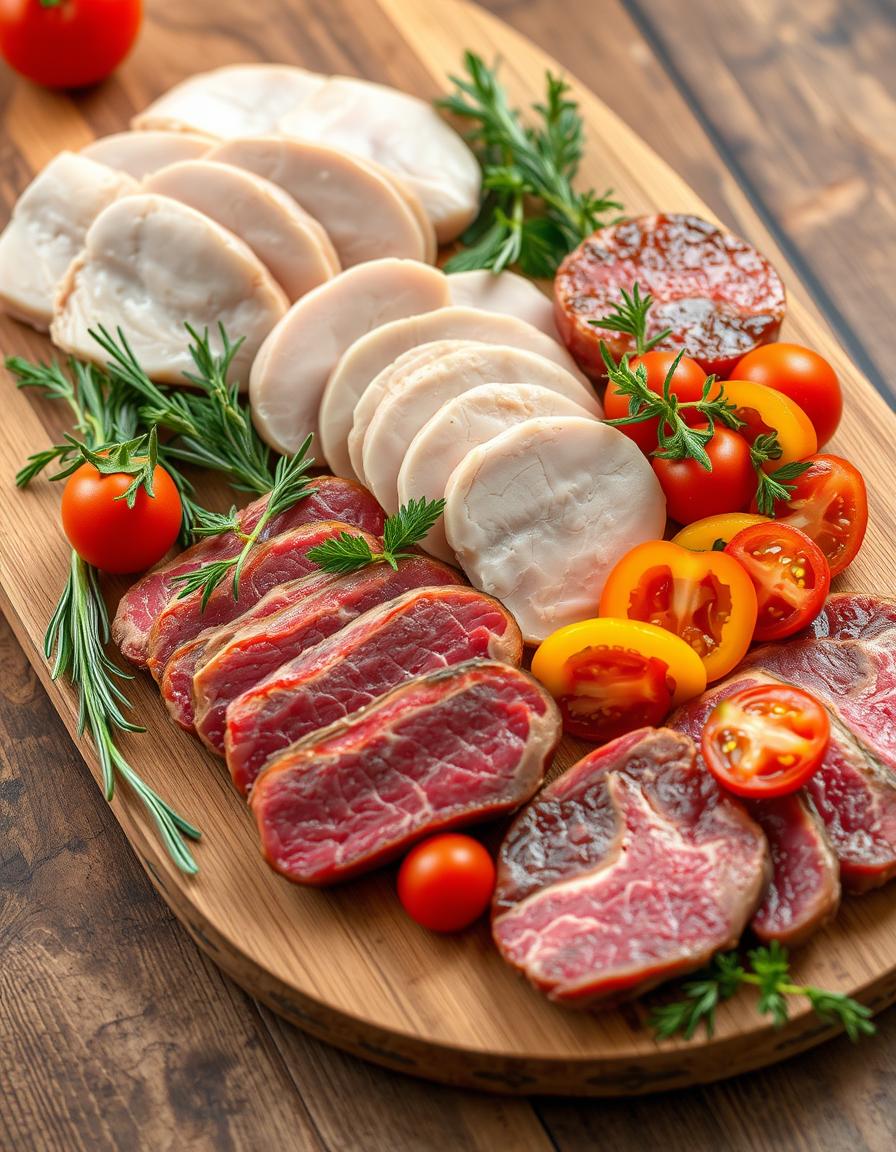
Eating the right kind of meat can play a big part in keeping your heart healthy. While some meats are high in fat and can clog arteries, others are packed with protein but remain low in unhealthy fats. Choosing lean meats is a smart way to get the nutrients your body needs without adding extra strain on your heart. If you pay attention to the types of protein you include in your meals, you can enjoy tasty dishes while supporting your cardiovascular health.
Why Choose Lean Meats for Heart Health Diet?
Lean meats provide essential proteins, vitamins, and minerals but come with less saturated fat, which helps reduce cholesterol levels. High cholesterol is one of the main culprits behind heart disease, so cutting back on fatty meats is a simple change with powerful benefits. Lean meats also tend to be lower in calories, making them a good choice if you’re watching your weight — another important factor for heart health.
In short, picking lean meats for heart health diet helps protect your arteries, maintain good blood pressure, and keeps your heart pumping strong. Plus, they’re delicious and easy to cook!
Top Lean Meat Options for a Heart-Healthy Diet
1. Skinless Poultry
Chicken and turkey without the skin are among the best lean meat choices. The skin carries most of the fat, so removing it cuts down on saturated fat significantly. Plus, poultry offers a rich supply of protein and B vitamins, which help your body use energy efficiently.
Try grilling or baking chicken breasts instead of frying to keep meals light and heart-friendly. Turkey breast is another great option for sandwiches or salads, and its mild flavor blends well with many spices.
2. Lean Cuts of Beef
Beef gets a bad rap sometimes because fatty cuts can be high in saturated fat. However, choosing lean cuts like sirloin, tenderloin, or eye of round offers plenty of protein with less fat. Look for labels that say “lean” or “extra lean,” and trim off any visible fat before cooking.
Beef also contains iron and zinc, which are important for your immune system and energy levels. Just remember to enjoy it in moderation and avoid charring to reduce harmful compounds.
3. Pork Tenderloin
Pork tenderloin is a surprisingly lean choice that is flavorful and versatile. It has less fat than many people expect and provides a good amount of protein along with B vitamins. Cooking it by roasting or grilling helps keep it juicy and healthy.
Pork can sometimes get overlooked in heart-healthy diets, but lean cuts like tenderloin deserve a spot on your plate.
4. Fish and Seafood
Fish is a superstar when it comes to heart health, especially fatty fish like salmon, mackerel, and sardines. Though these fish contain fats, they are the “good” kind — omega-3 fatty acids — which help reduce inflammation and lower the risk of heart disease.
Other white fish like cod and haddock are lean and low in calories. Seafood is easy to prepare and can be a refreshing change from meat. Try broiling or steaming fish with herbs and lemon for a simple, heart-friendly meal.
5. Plant-Based Alternatives
While not meats, plant-based protein options like beans, lentils, and tofu often make a great companion or alternative to lean meats for heart health diet. They contain no cholesterol and are usually low in fat but offer fiber, which is excellent for heart health. Mixing these into your meals can reduce reliance on animal proteins and diversify your nutrient intake.
How to Cook Lean Meats for Maximum Heart Benefits
Even lean meats can become unhealthy if cooked with lots of added fat or fried. Here are some tips to keep meals heart-friendly:
- Use healthy cooking methods: Grill, bake, roast, or steam instead of frying.
- Trim visible fat: Remove fat and skin before cooking to reduce saturated fat content.
- Season smartly: Use herbs, spices, lemon juice, and vinegar instead of heavy sauces or salt.
- Watch portion sizes: About 3-4 ounces per meal is a good target, about the size of a deck of cards.
- Limit processed meats: Avoid sausages, bacon, and deli meats, which often contain excess salt and unhealthy fats.
Comparison Table: Nutritional Highlights of Common Lean Meats
| Type of Meat | Calories (per 3 oz cooked) | Total Fat (g) | Saturated Fat (g) | Protein (g) |
|---|---|---|---|---|
| Skinless Chicken Breast | 140 | 3 | 1 | 26 |
| Turkey Breast | 125 | 1 | 0.5 | 27 |
| Beef Sirloin (lean) | 160 | 6 | 2.5 | 23 |
| Pork Tenderloin | 120 | 3 | 1 | 22 |
| Salmon (wild) | 175 | 10 | 1.5 | 19 |
Extra Tips for Heart-Healthy Eating
- Balance your plate with plenty of vegetables and whole grains.
- Avoid adding too much salt or sugar in your meals.
- Stay hydrated and maintain an active lifestyle.
- Listen to your body and enjoy meals that satisfy both health and taste buds.
By focusing on lean meats for heart health diet, you’re not just eating better, you’re giving your heart the care it deserves. And if you’re curious about something completely different but equally unique, check out this helpful guide on Wood Lean. It’s always good to learn new things beyond the kitchen!
Conclusion
Choosing lean meats is a simple, tasty way to keep your heart in good shape. From skinless poultry and lean beef to fish rich in omega-3s, these options provide essential nutrients without packing on harmful fats. Cooking methods matter just as much as the meat you pick, so aim for grilling, roasting, or steaming for the best results. Remember to pair your protein choices with plenty of vegetables and whole foods to create meals that nourish your body and delight your palate. Incorporating lean meats for heart health diet into your routine isn’t just smart—it’s a delicious step toward feeling better every day.

Hardik is the visionary founder and driving force behind Leanry.com, a platform committed to empowering individuals through reliable health information, wellness tips, and actionable content for a healthier lifestyle.