
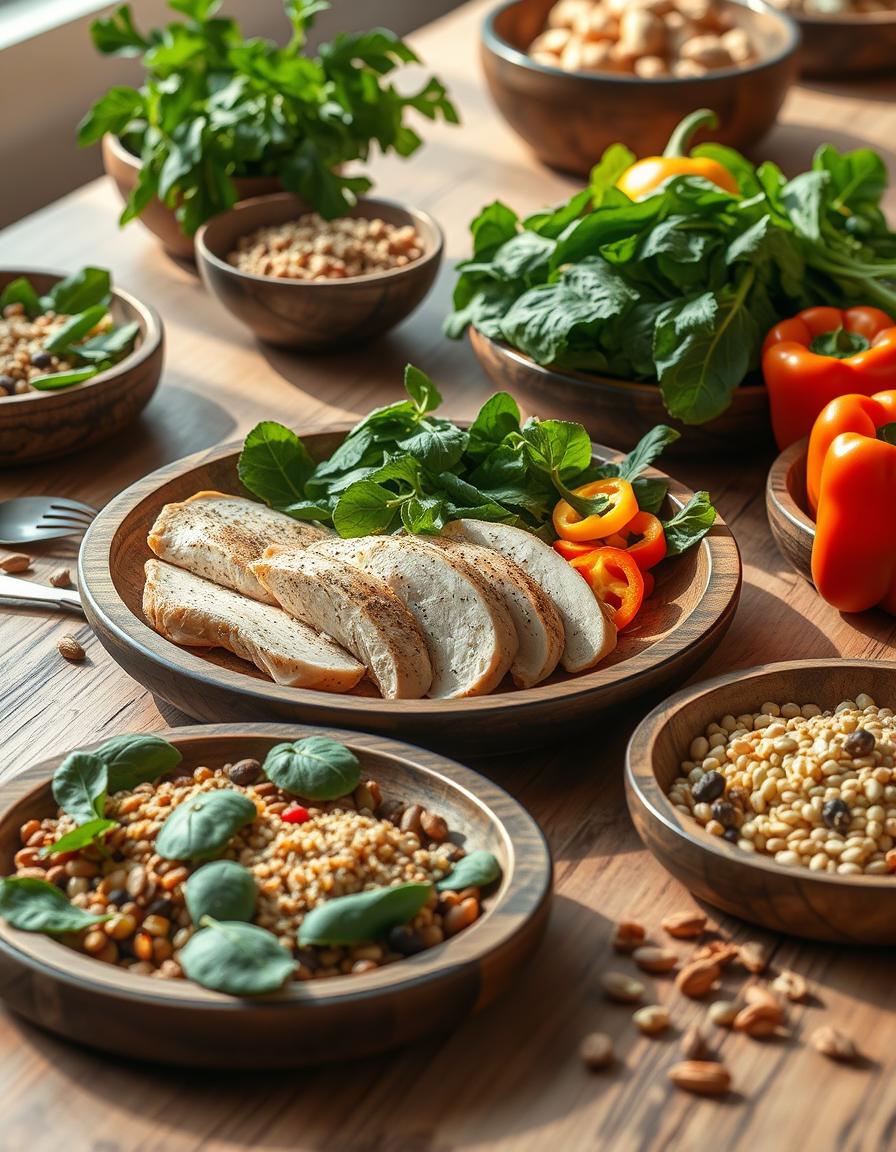
Building lean muscle naturally is a goal many people strive for, whether to improve athletic performance, boost metabolism, or simply feel stronger. One of the most important factors in this journey is paying close attention to your diet. Eating the right foods can fuel your workouts, help repair damaged muscle fibers, and promote healthy muscle growth. Choosing food for building lean muscle naturally ensures your body gets all the essential nutrients it needs without unnecessary additives or empty calories.
Understanding Lean Muscle Growth
Lean muscle is the muscle tissue in your body without excess fat. Gaining lean muscle requires a balance of proper exercise and good nutrition. When you work out, especially doing strength training, your muscle fibers experience tiny tears. The body repairs these tears by fusing fibers together, making muscles stronger and sometimes bigger. But this repair process demands nutrients, especially protein, to be effective.
Simply eating a lot won’t build muscle; you need to fuel your body with quality foods that support this repair and growth. This is where food for building lean muscle naturally comes into play. It provides the necessary building blocks without bloating or fat gain, helping you achieve a toned and healthy physique.
Key Nutrients in Foods for Lean Muscle
Before jumping into food examples, it’s useful to know the primary nutrients that contribute to lean muscle growth:
- Protein: Repairs and builds muscle fibers.
- Complex Carbohydrates: Provide sustained energy for workouts.
- Healthy Fats: Support hormone production and joint health.
- Vitamins and Minerals: Aid in recovery and muscle contractions.
- Water: Keeps muscles hydrated and flushes out toxins.
Ensuring you get enough of these nutrients from natural food sources is critical when focusing on muscle growth.
Top Protein Sources to Build Lean Muscle
Protein is the star player in muscle building. Consuming a variety of proteins helps supply your muscles with all essential amino acids.
Lean Meats
Chicken breast and turkey are classic choices. They have high protein content and low fat, making them perfect for muscle development. For example, a 3-ounce serving of chicken breast packs about 26 grams of protein with minimal fat.
Fish and Seafood
Salmon, tuna, and cod are fantastic because they offer protein and omega-3 fatty acids. Omega-3s reduce inflammation and can speed up muscle recovery. Don’t hesitate to include fish in your weekly meals.
Eggs
Often called nature’s multivitamin, eggs provide high-quality protein and important nutrients like choline. Eating whole eggs in moderation supports muscle growth without packing on fat.
Plant-Based Proteins
For vegetarians or vegans, foods like lentils, chickpeas, quinoa, and tofu deliver good amounts of protein. Though some plant proteins lack certain amino acids, combining different plant sources can cover all your bases.
Carbohydrates: Fuel Without the Fluff
Carbs often get a bad rap, but the right kind is essential for energy. Complex carbohydrates digest slowly, providing steady fuel to keep your workouts strong and consistent.
Whole Grains
Oats, brown rice, quinoa, and barley are excellent choices. They contain fiber and help maintain stable blood sugar levels.
Starchy Vegetables
Sweet potatoes and butternut squash are nutritious, tasty carb sources with vitamins and minerals.
Fruits
Bananas, berries, and apples offer natural sugars and antioxidants. They help replenish glycogen stores and fight oxidative stress post-workout.
Healthy Fats for Muscle and Overall Health
Don’t shy away from fats! Healthy fats are vital for hormone production, especially testosterone, which influences muscle growth.
Avocados
Rich in monounsaturated fats, avocados help reduce inflammation and support joint health.
Nuts and Seeds
Almonds, walnuts, chia seeds, and flaxseeds provide omega-3s and fiber. Plus, they add crunch and flavor to meals.
Olive Oil
Used in cooking or salads, olive oil is a heart-healthy fat that plays a role in recovery and inflammation reduction.
Vitamins and Minerals You Can’t Ignore
Micronutrients often fly under the radar but are crucial for muscle function and recovery.
| Mineral/Vitamin | Role in Muscle Building | Good Food Sources |
|---|---|---|
| Magnesium | Helps muscle relaxation and energy production | Spinach, nuts, whole grains |
| Vitamin D | Supports muscle strength and immune function | Fatty fish, fortified dairy, sun exposure |
| Calcium | Important for muscle contractions and bone health | Dairy products, leafy greens, almonds |
| Iron | Transports oxygen to muscles for energy | Red meat, beans, spinach |
Hydration: The Unsung Hero
Muscle performance depends heavily on hydration. Even mild dehydration can reduce strength and endurance. Drinking water throughout the day and especially around workouts keeps your muscles primed for action.
Sample Daily Meal Plan for Lean Muscle
Here’s a simple eating plan that incorporates food for building lean muscle naturally. Feel free to mix and match based on your tastes and dietary needs.
| Meal | Example | Key Nutrients |
|---|---|---|
| Breakfast | Oatmeal topped with banana slices and a spoonful of almond butter | Complex carbs, protein, healthy fats, potassium |
| Snack | Greek yogurt with mixed berries | Protein, calcium, antioxidants |
| Lunch | Grilled chicken breast with quinoa and steamed broccoli | Protein, complex carbs, fiber, vitamins |
| Snack | Carrot sticks with hummus | Fiber, plant protein, healthy fats |
| Dinner | Baked salmon with sweet potato and sautéed spinach | Protein, omega-3 fats, complex carbs, minerals |
Additional Tips for Lean Muscle Growth
- Spread your protein intake: Eating protein evenly throughout the day helps your body continuously repair muscle.
- Limit processed foods: They often contain empty calories that can interfere with lean muscle goals.
- Balance meals: Include protein, carbs, and fats in every meal for steady energy and muscle repair.
- Listen to your body: Rest and recovery are just as important as food and exercise.
If you’re looking for a beautiful location to combine fitness and nutrition, check out Rosemary Beach Fitness, where community and healthy living come together in a unique, motivating way.
Conclusion
Choosing the right food for building lean muscle naturally is all about balance and quality. Protein-rich foods repair damaged muscles, while complex carbohydrates fuel workouts and healthy fats support hormones. Vitamins, minerals, and proper hydration ensure muscles function at their best. Incorporating a variety of natural foods into your diet will help you gain lean muscle without unnecessary fat, keeping you strong and energized. Remember, enjoying the process and listening to your body often makes the biggest difference on your muscle-building journey.

Hardik is the visionary founder and driving force behind Leanry.com, a platform committed to empowering individuals through reliable health information, wellness tips, and actionable content for a healthier lifestyle.